Selling a Sacramento rental with the tenant still living there
You can sell a rented house or duplex in Sacramento without emptying it first. Most owners I know end up on one of three roads: sell it with the tenant in place, agree on a move-out date with the tenant, or wait until the tenant leaves on their own. All three work. They cost you in different ways, and one of them mostly costs you months.
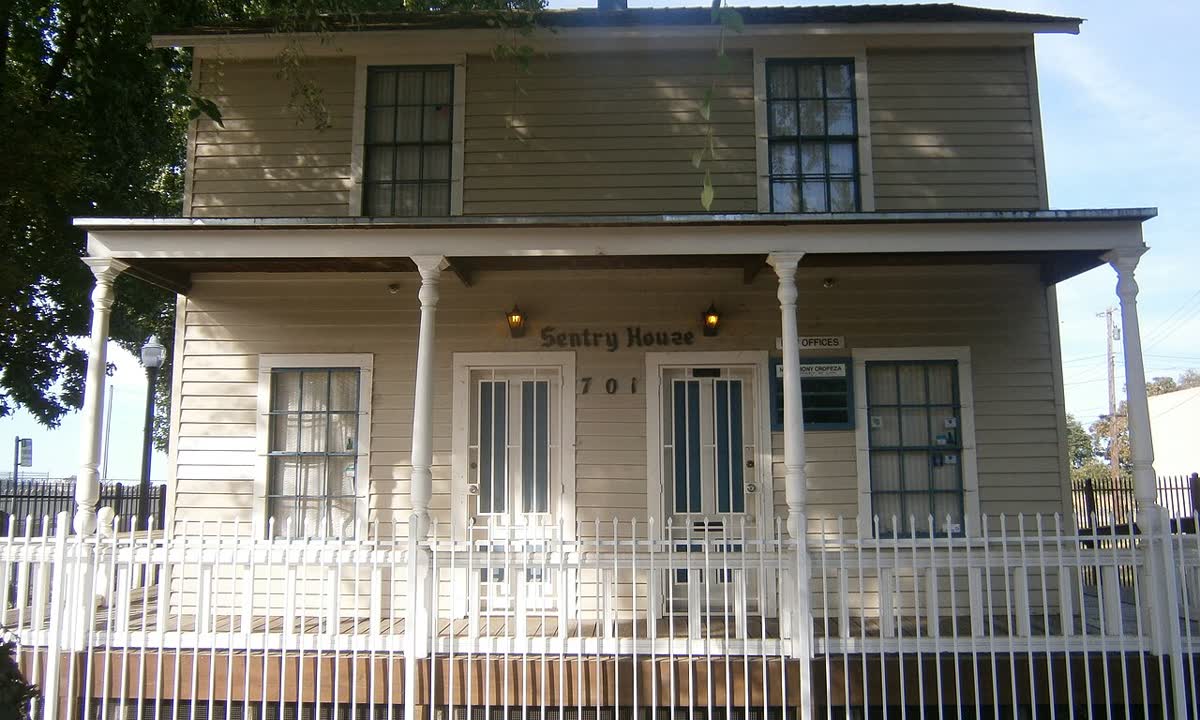
I managed single-family rentals and small multiplexes around Sacramento and West Sacramento for eighteen years, then sold my own duplex in Oak Park with people living in both halves. What follows is the short version of what I wish someone had handed me that year.
First, figure out which rules cover your building
This decides almost everything else, so do it before you talk price with anyone.
If the building has two or more units, sits inside city limits and was built on or before February 1, 1995, it is most likely under the city's own ordinance, Sacramento City Code chapter 5.156. The city's Tenant Protection Program page lists the current rent cap (8.6% from July 1, 2026), the $20 per unit annual program fee, and the rule that a tenant who has stayed more than 12 months can only be asked to leave for a listed just cause.
Single-family houses and condos are exempt from the city chapter. They fall under the state Tenant Protection Act instead, unless the building is less than 15 years old, or the owner is an individual or an LLC with no corporate member and the lease carries the exact exemption notice the statute spells out. The just-cause rules sit in Civil Code section 1946.2, and selling the property is not on its list of reasons. Neither the state nor the city treats a sale as a reason to end a tenancy. The sale passes the tenancy to the buyer along with the keys.
The three paths, side by side
| Path | Time it takes | What it costs you | Where it goes wrong |
|---|---|---|---|
| Sell with the tenant in place | Only as long as the buyer and escrow need; the lease transfers | The price reflects the current rent and an occupied property | Your buyer pool is mostly investors, and showings depend on the tenant |
| Agreed move-out (cash for keys) | Whatever date you both sign | A negotiated payment plus empty months you still carry | Pressure or vague terms turn it into a harassment claim, up to $2,000 per violation under Civil Code 1940.2 |
| Wait for the tenant to leave | Open-ended | Time, and a vacancy at the end | After 12 months, a lease that runs out does not end the tenant's protections |
| Owner move-in notice | 60 days' notice under state law, 120 days under the city chapter | One month's rent in relocation on state-covered units | Only lawful if you or listed family really move in; selling instead invites a lawsuit |
The fourth row is there because people ask about it. It is not a sales strategy. Under the state rules in force since April 2024, the person named in the notice has 90 days after the tenant leaves to move in and must live there 12 months. The city requires the same 12 months. If you just want to sell, it is the wrong tool.
Selling it occupied
This is the path I took. You keep collecting rent until closing, and you never have to ask anyone to move. The trade is price. An investor buys the rent roll as much as the house, and a below-market rent that can only rise by the capped amount each year is worth less to them than a vacant unit they can re-rent at market. I go through that math in the rent cap article.
Agreeing on a move-out
A voluntary, written move-out agreement, where the tenant gets money and a date and you get the house back empty, is legal and common. The words that matter are voluntary and written. The details are in the notices article.
What any buyer will ask for
Whoever buys will want proof of what they are buying. Expect requests for:
- a rent roll with each unit's rent, move-in date and deposit
- every lease and addendum, including any AB 1482 notice or exemption notice
- the history of rent increases, so they can check you stayed under the cap
- the deposit figures, since Civil Code 1950.5 requires you to give the buyer a written statement of the deposits before the transfer
- tenant estoppel certificates, and the voucher contract if a tenant uses one
The showing article covers where each of those comes from.
Where a cash buyer fits
If showings are going to be a fight, or the rent is far below market and you don't want to argue about it with a dozen buyers, a direct sale is worth pricing out. One local option is Lorris Home Buyers, whose site lists rentals with tenants among the situations it buys. If that sounds like yours, start with a cash buyer that takes occupied houses and compare its number against what an agent thinks the place would fetch occupied. Get both in writing.
Before you call anybody, though, dig out the lease, the deposit receipt and every rent-increase notice you have sent since July 2019. In my experience those few pages move the price more than the kitchen does.
Curtis Ng managed single-family rentals and small multiplexes in Sacramento and West Sacramento for eighteen years, then sold his own duplex in Oak Park. He writes for owners of one to four rental units. He is not a lawyer, and tenant rules change, so check the linked sources.